Make Every Drop Count: Efficient Summer Watering Strategies

Chosen Theme: Efficient Summer Watering Strategies. Welcome to a season of smarter care, cooler roots, and thriving plants. Explore practical tactics, heartfelt stories, and science-backed tips to conserve water while keeping your garden vibrant all summer long.

Why Efficient Summer Watering Strategies Matter Now

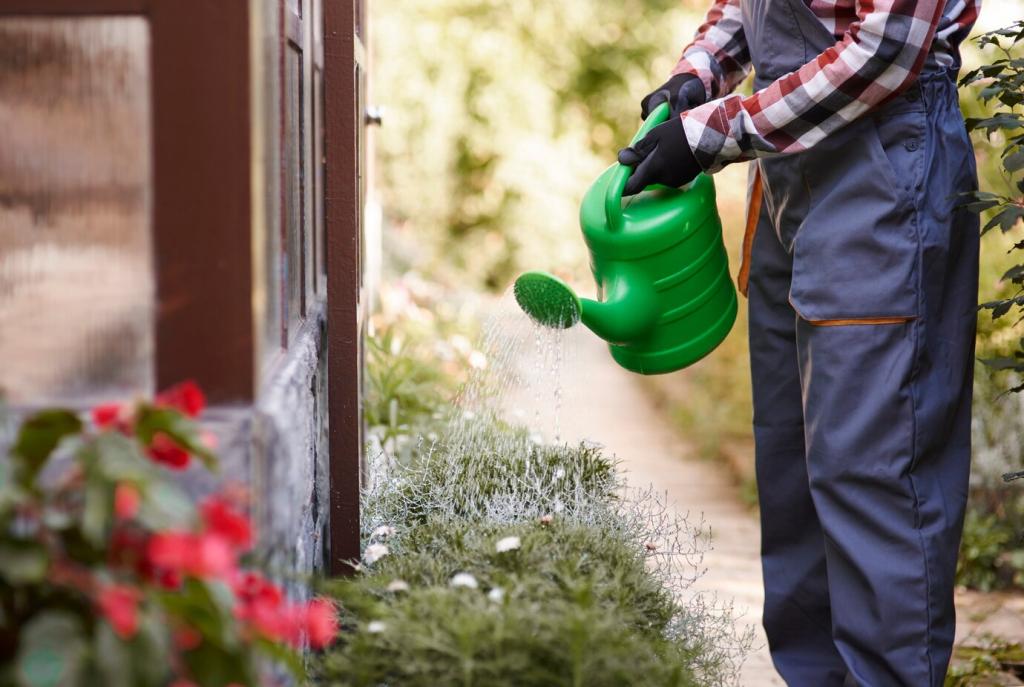
Summer sun accelerates evaporation, so timing is everything. Water in the early morning to reduce loss, prevent fungal issues, and prime roots for the day’s heat. Comment with your local sunrise time and what schedule has worked best.
Deep, infrequent watering encourages roots to grow downward, improving drought resilience. Shallow, frequent sips keep roots near the surface, where heat scorches them. Notice curling leaves or dull foliage? That’s a plea for deeper, steadier hydration.
During last year’s drought, our block swapped sprinklers for drip lines and cut usage dramatically. Neighbors noticed greener gardens, fewer puddles, and lower bills. Share your neighborhood’s watering rules, and subscribe for weekly conservation-friendly ideas.

Timing and Scheduling for Peak Efficiency

Dawn vs. Dusk

Dawn watering is ideal because leaves dry quickly and wind is usually calm. Dusk watering can linger on foliage overnight, inviting disease. If evenings are your only option, water low and direct to soil, not leaves.

Smart Irrigation Methods That Save Every Drop

Drip places water at the root zone, cutting evaporation and weeds. Maya, a first-time homeowner, switched to 1-gallon-per-hour emitters and saved 38% over one scorching month. Start small, test flow, and share your emitter spacing recipes.

Smart Irrigation Methods That Save Every Drop

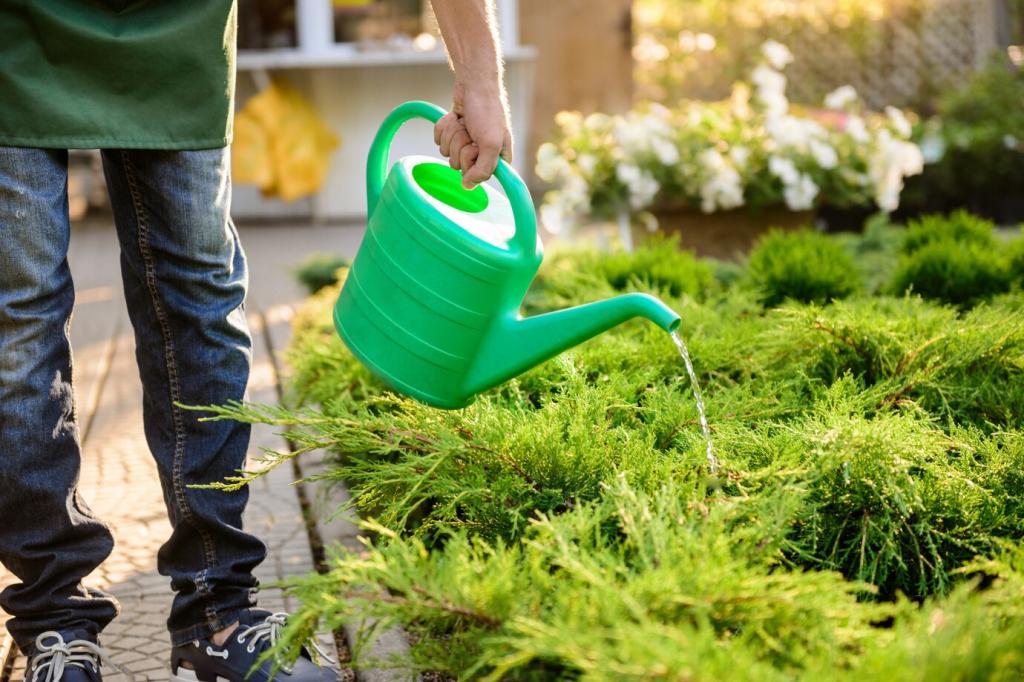
Soakers seep slowly along their length, perfect for long beds. Tuck them under mulch to further reduce evaporation. Use a pressure regulator, and set a timer. Tell us your preferred run time per zone and climate for comparisons.
Test and Tune Your Soil

Clay needs aeration and organic matter to absorb rather than repel water. Sandy soils need compost to slow percolation. Try a quick infiltration test after rain, then adjust amendments. Share your soil type and what changed after improvements.

Mulch for Cooler Roots

A 2–3 inch mulch layer can reduce evaporation dramatically and keep roots cooler by several degrees. Use shredded leaves, wood chips, or straw, leaving space around stems. What mulch blends look best and work hardest in your beds?

Containers and Raised Beds

Pots and raised beds heat up and dry out faster. Use larger containers, light-colored pots, and compost-rich mixes with biochar for moisture retention. Try saucers or wicking reservoirs. Report how often you water before and after these tweaks.

Harvesting and Reusing Water

Fit gutters with rain barrels and a first-flush diverter to keep debris out. A single summer storm filled two barrels at our townhouse, irrigating tomatoes for a week. Calculate your roof area and share your expected harvest per inch.

Harvesting and Reusing Water

Laundry-to-landscape systems can safely irrigate ornamentals with proper soaps and routing. Check local codes before installing and avoid edible leaves contact. If you’ve tried greywater, comment on soap brands and how plants responded during peak heat.

Monitoring, Tech, and When to Adjust

Use a soil moisture meter alongside the classic finger test to calibrate instincts. Compare readings at two depths after irrigating. Keep a small log, then tweak duration. Invite friends to try your protocol and compare outcomes.
Daveclarkforcommissioner
Privacy Overview

This website uses cookies so that we can provide you with the best user experience possible. Cookie information is stored in your browser and performs functions such as recognising you when you return to our website and helping our team to understand which sections of the website you find most interesting and useful.